![[EN] MUDr. Pavel Vachulka](https://zubnipececb.cz/en/wp-content/uploads/2026/03/Logo.svg)


Article content
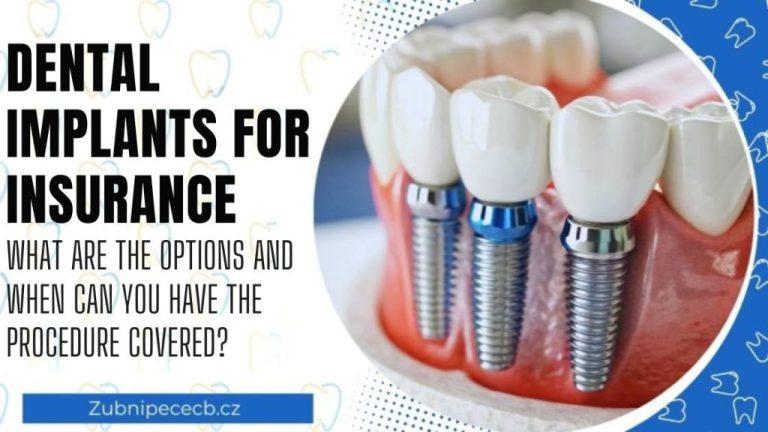
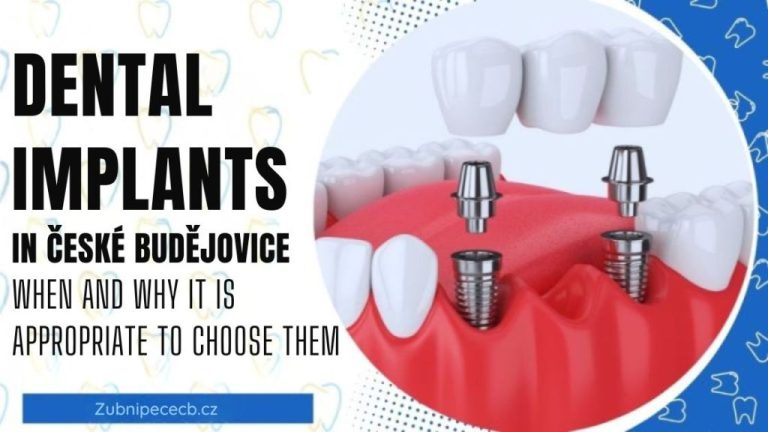
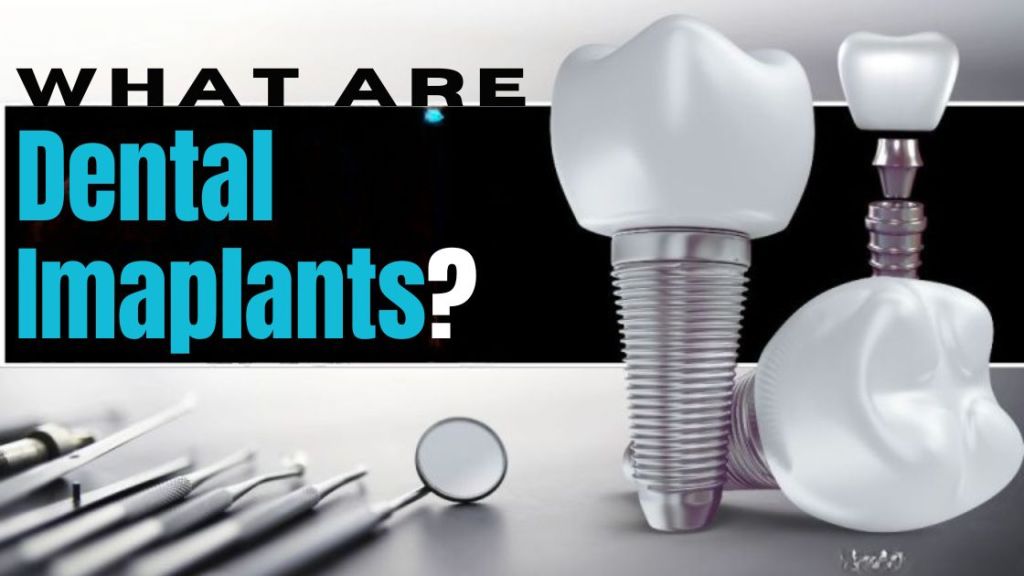
→ How do dental implants work? → When are dental implants appropriate? → Loss of one or more teeth → Tooth replacement in aesthetic zones → Tooth restoration in patients with total tooth loss → When are dental implants not suitable? → Lack of bone mass → Health problems → High risk of infection → Smoking → Types of materials for dental implants → Benefits of dental implants → Interview with MUDr. Vachulka on the topic of dental implantsDental implants are a modern and long-term solution for replacing missing teeth. This procedure involves inserting an intraosseous implant (which replaces the lost root) into the jawbone, onto which a dental crown, bridge or denture is then placed. Implants are designed to mimic natural teeth as closely as possible, both in aesthetics and function. This method of tooth replacement is popular for its stability and natural appearance.
How do dental implants work?
Dental implants work by integrating with the bone. When an implant is placed in the jaw, a process called osseointegration occurs. During this process, the implant fuses with the surrounding bone, creating a strong and stable connection that provides a foundation for the artificial tooth. This process usually takes several months, but the result is a strong and permanent tooth replacement.
When are dental implants appropriate?
Loss of one or more teeth
Dental implants are a great option for patients who have lost one or more teeth. Instead of traditional dental bridges or dentures, patients can get a strong, stable, and aesthetically natural replacement tooth that does not affect the surrounding healthy teeth.
Tooth replacement in aesthetic zones
Dental implants are very suitable for patients looking for an aesthetic solution to tooth loss, especially in the front teeth. These implants look very natural and blend in with the other teeth, which is key for many patients.
Tooth restoration in patients with total tooth loss
If a patient has lost all of their teeth in one or more parts of their mouth, dental implants can serve as a stable foundation for complete dentures or dental bridges. This method helps patients restore the functionality and aesthetics of their mouth.
When are dental implants not suitable?
Although dental implants are a very effective solution, they are not suitable for every patient. There are certain factors that can affect the success of the implant.
Lack of bone mass
If a patient suffers from bone loss in the area where the implant is to be placed, this can complicate the implantation process. However, in some cases, it is possible to use a bone graft to replenish the bone.
Health problems
Certain health conditions may negatively affect the body’s ability to accept the implant. These include untreated diabetes, a weakened immune system, or active cancer. In these cases, the implantation procedure should be carefully discussed with a specialist.
High risk of infection
Patients who have gum or general oral health problems (e.g. periodontitis) may be at higher risk of infection. In these cases, thorough oral hygiene and possible treatment should be performed prior to implantation.
Smoking
Smoking can negatively affect the healing process after implant placement and increases the risk of complications. Therefore, patients are advised to limit smoking before and after the procedure.
Types of materials for dental implants
There are several materials used to make dental implants. Each of these materials has its own advantages and disadvantages. However, titanium implants are the most common, due to their excellent strength, corrosion resistance and biocompatibility. Titanium integrates well with the bone, which ensures the stability and long life of the implant. Titanium implants are suitable for most patients and are widely used in practice.
Benefits of dental implants
Dental implants have many advantages that make them a popular choice for tooth replacement:
- Durability – A properly inserted and maintained implant can last 10 years or more.
- Natural appearance – Implants look very natural because they are designed to mimic real teeth as much as possible.
- Functionality – Implants allow patients to eat, speak, and smile without worrying about replacement teeth moving.
- Bone preservation – Implants stimulate bone, which helps maintain its structure and prevent its loss.
Interview with MUDr. Vachulka on the topic of dental implants
If you are looking for an experienced implantologist in the České Budějovice area, contact our office of MUDr. Pavel Vachulka.
Need advice about your smile?
Book a consultation with MUDr. Vachulka and get a personalized professional recommendation.
Book Now